post / July 20, 2026
FDE Cargo Cults
Cargo culting is when you copy what someone successful is doing without understanding why it works.
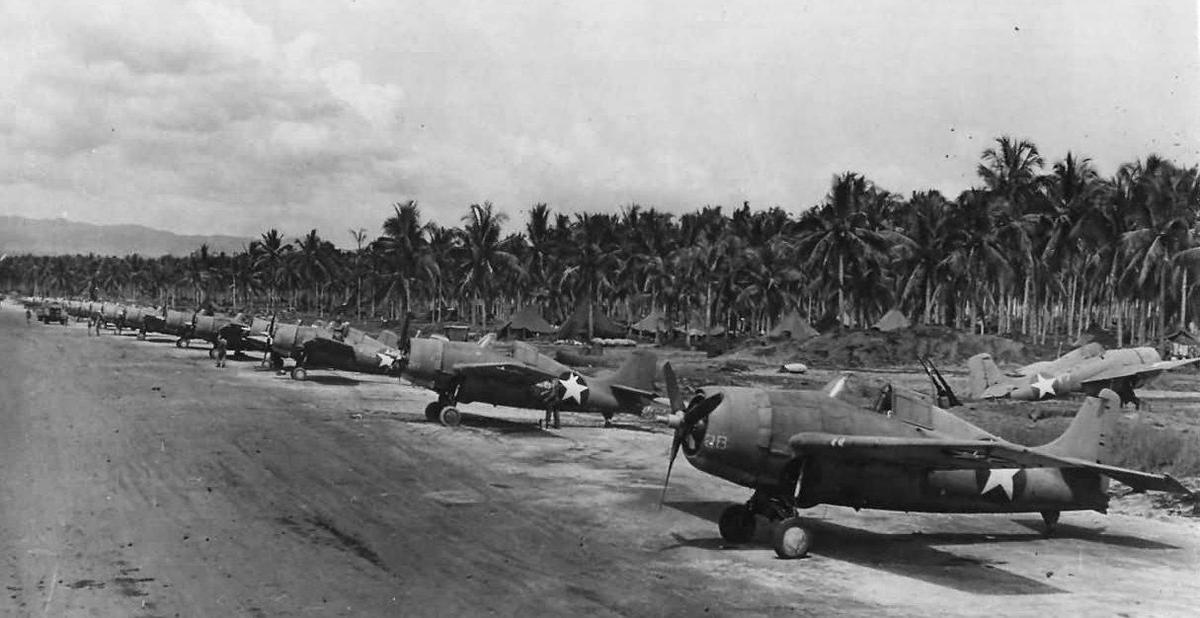
F4F Wildcats at Henderson Field, Guadalcanal, 14 April 1943. US Navy photo 80-G-41099, via Ken Shirriff.
During WWII, Americans built airstrips on Pacific islands. Planes landed, cargo was unloaded and local people got supplies.
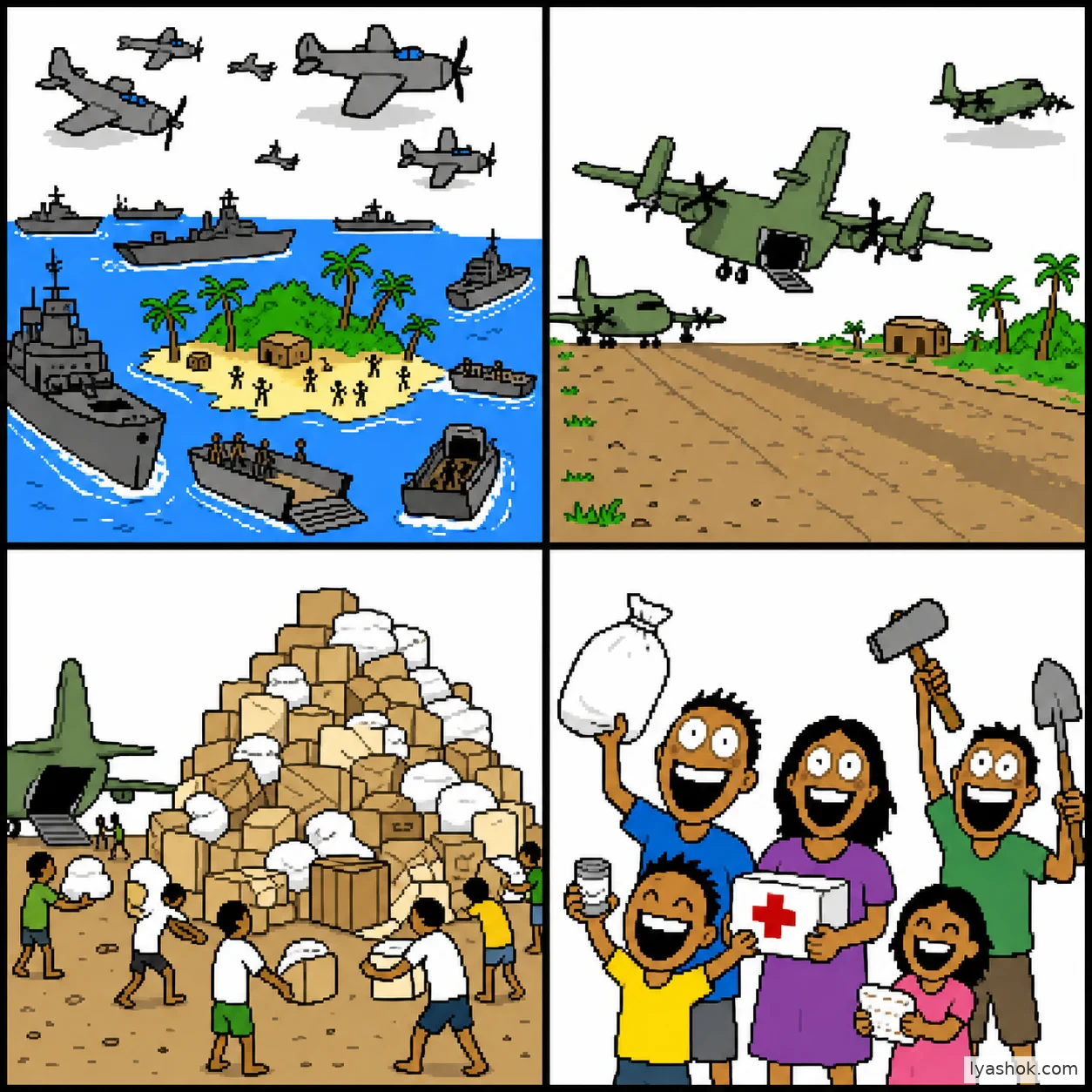
After the war, the planes stopped coming. In the version most people know, islanders built replica airstrips and planes because they expected the cargo to come back. They copied what they had seen. But the airstrips were obviously not why the cargo came.
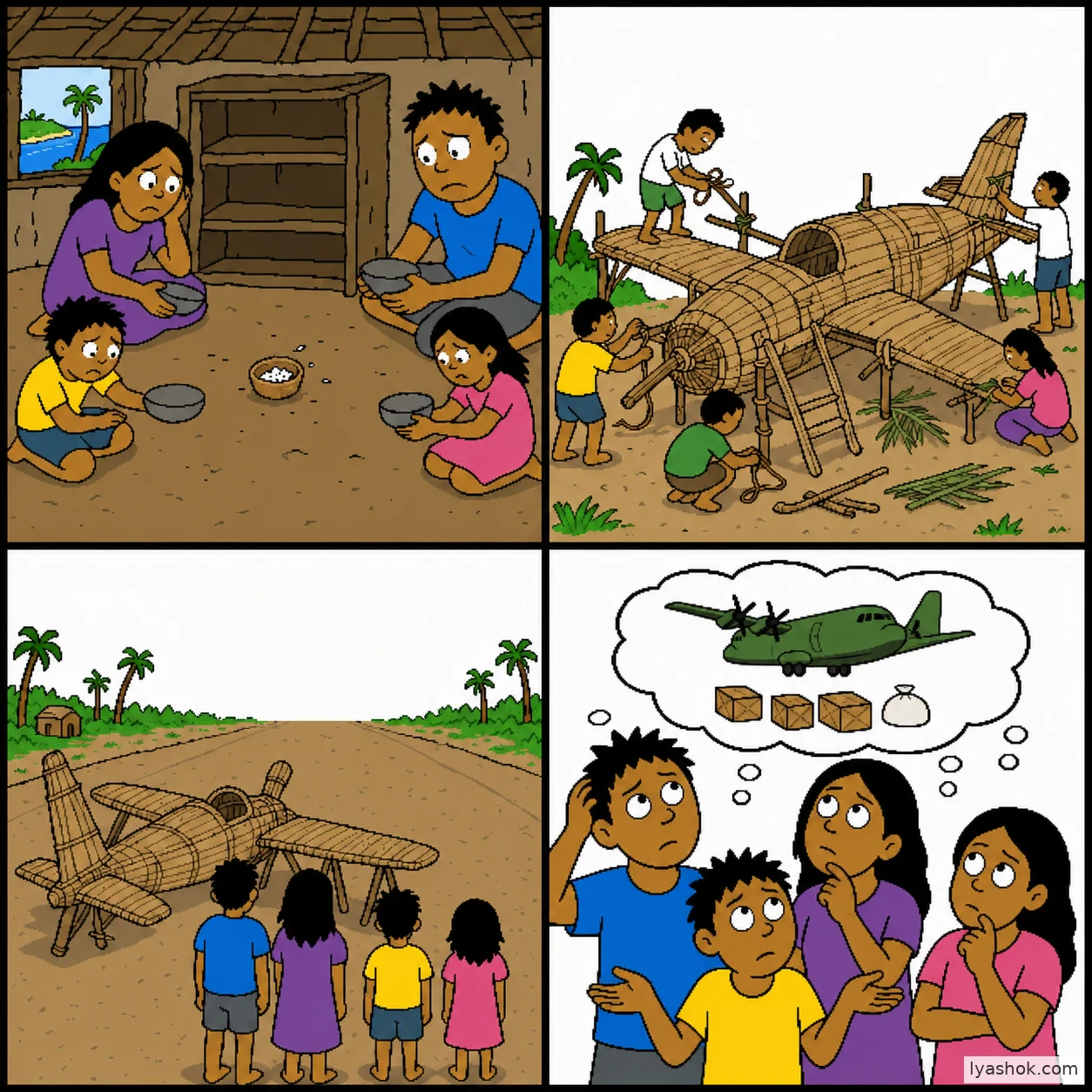
FDE Cargo Cult
Palantir started by building software for the Department of Defense. It did not have a finished product that it could simply hand to the customer. The customer often could not explain exactly what it needed either. Engineers had to work with them to figure it out.
“Going onsite to your customers … means you capture the tacit knowledge of how they work, not just the flattened ‘list of requirements’ model.”
FDE was a way to build the product, not just deliver it.
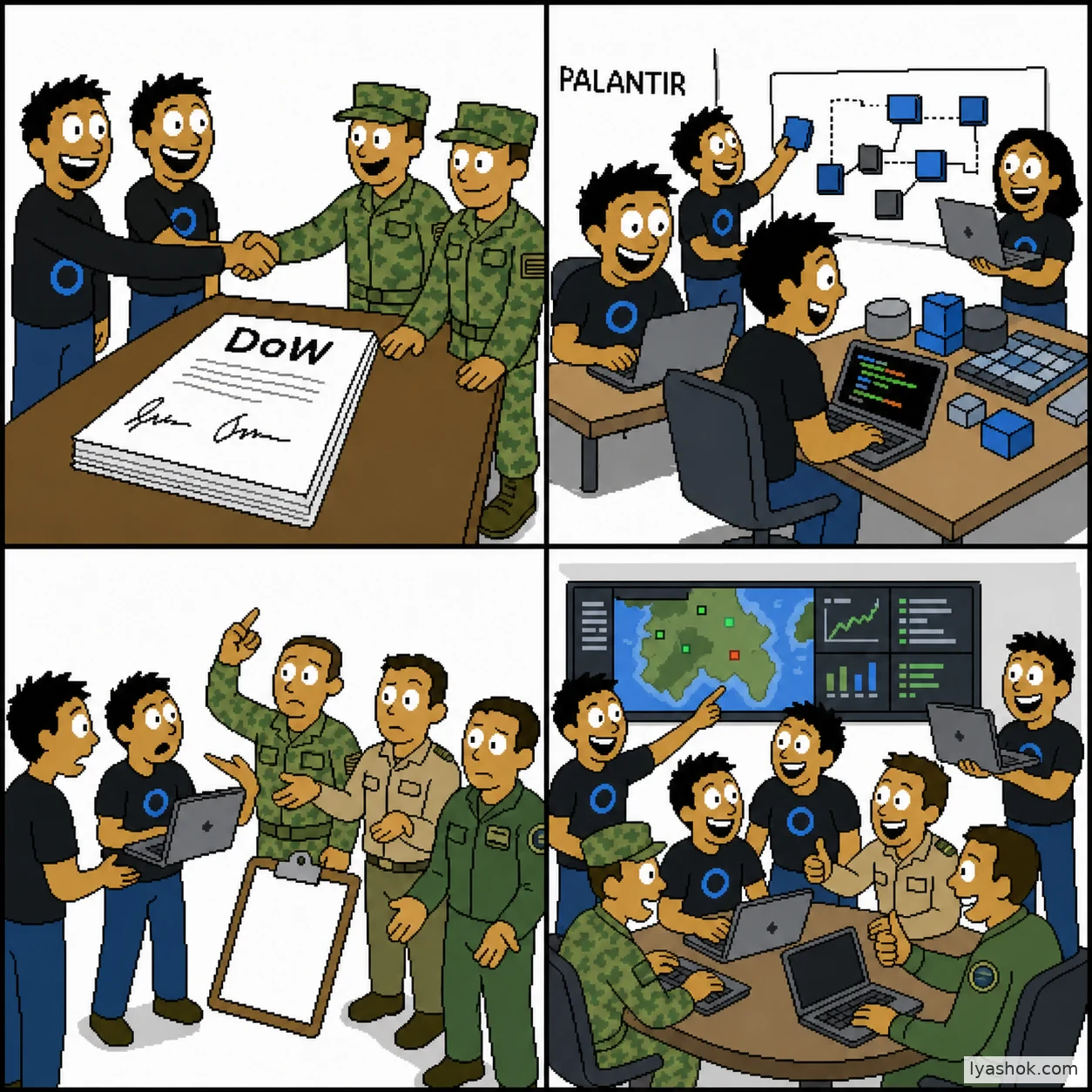
Now companies look at Palantir and conclude that they need FDEs too. They take engineers who were already working with customers, change the title, and expect a different result. But the company still works the same way, so why would the result change?
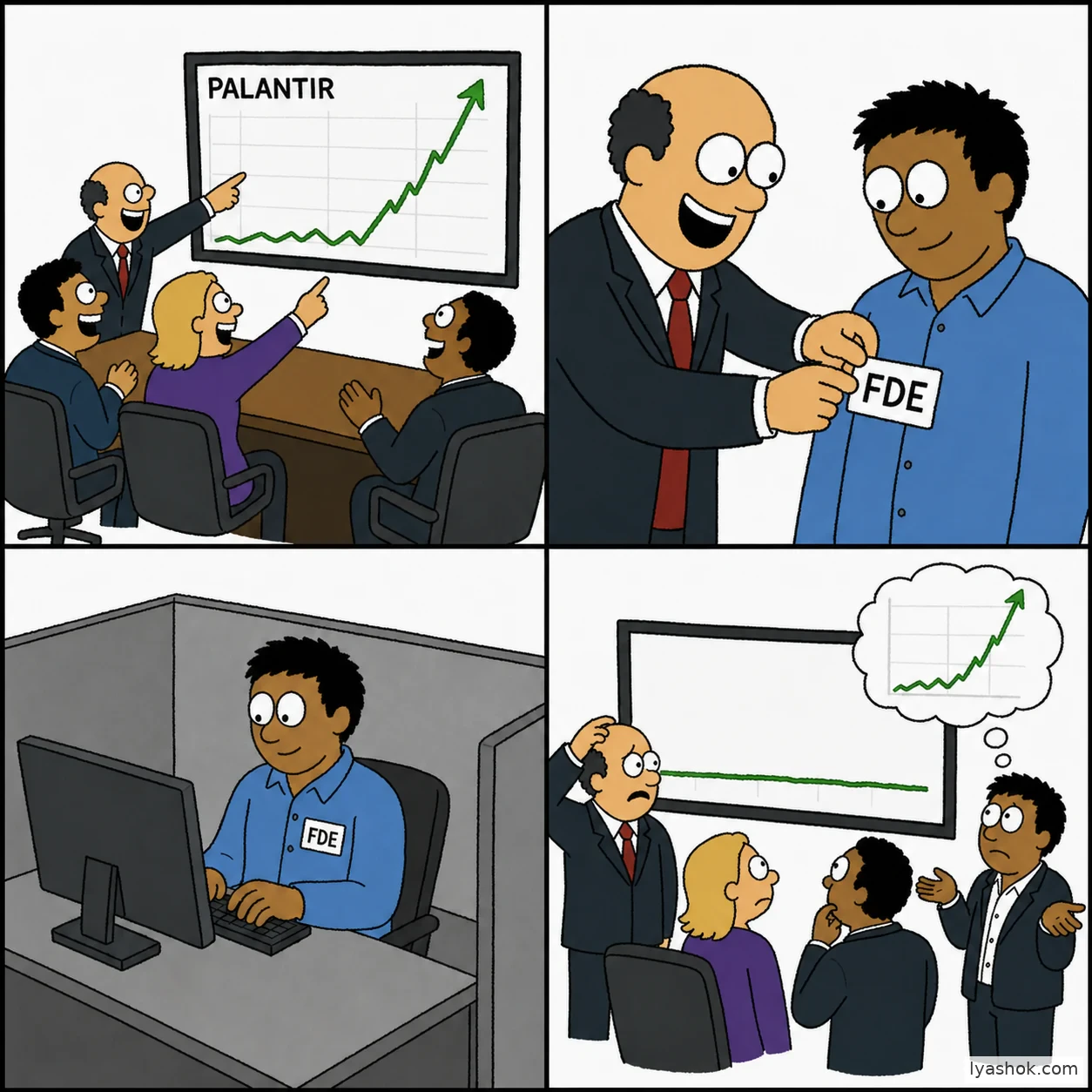
Why FDEs are needed
FDEs make sense when a software product reaches the customer but cannot absorb all the complexity of the customer’s environment. You can get there from first principles:
-
Businesses make money by organizing information. Even a casino, which sells uncertainty, makes money by putting that uncertainty inside a system people can use.
-
Information will always need organizing because businesses make their competitors’ environments more complicated in order to compete. A new product may create order inside one company, but it gives every competitor something new to understand and respond to.
-
Organizing information has a cost. Some of it is incidental: limitations of the tools, duplicated work and integration friction. The rest is essential: understanding what the information means inside this particular business and deciding what to do when the normal process does not apply.
-
Technology can reduce the incidental cost. It cannot remove the essential cost by definition because the entropy of competition constantly rises.
-
A company can move some essential complexity to its suppliers. Buying software is partly paying a vendor to organize some part of the business on its behalf.
-
But a standardized product cannot absorb every customer’s essential complexity and remain standardized. Ashby’s law of requisite variety gives the reason: a system needs enough possible responses to handle the variety in the environment it is trying to control.
-
The remaining work sits between the customer and the product. The customer does not want to keep doing it and the vendor cannot put all of it into the standard product. We usually call this services.
-
FDE is the latest name for this kind of work. The engineer goes into the customer’s environment, absorbs the cost that neither side could remove, and uses what they learn to change the product.
FDE cargo-culting failure modes
-
F stands for front. FDEs build product in the field, but they still need a product team in the back that can absorb what they learn. Otherwise the field work remains a customer project.
-
D stands for deployed. FDEs that are not embedded in the customer’s team do not gain tacit knowledge. They often recycle written documentation that does not reflect reality.
-
E stands for engineering. FDEs need to be allowed to build near-complete products in the field, even when the work is redundant or off-roadmap.
-
The FDE model is expensive. FDEs often repeat work across customers. It does not work when the customer and the company cannot afford that redundancy long enough for a product to emerge.
More on cargo cults
“Cargo cult” became a software-industry trope.
The history is more complicated.
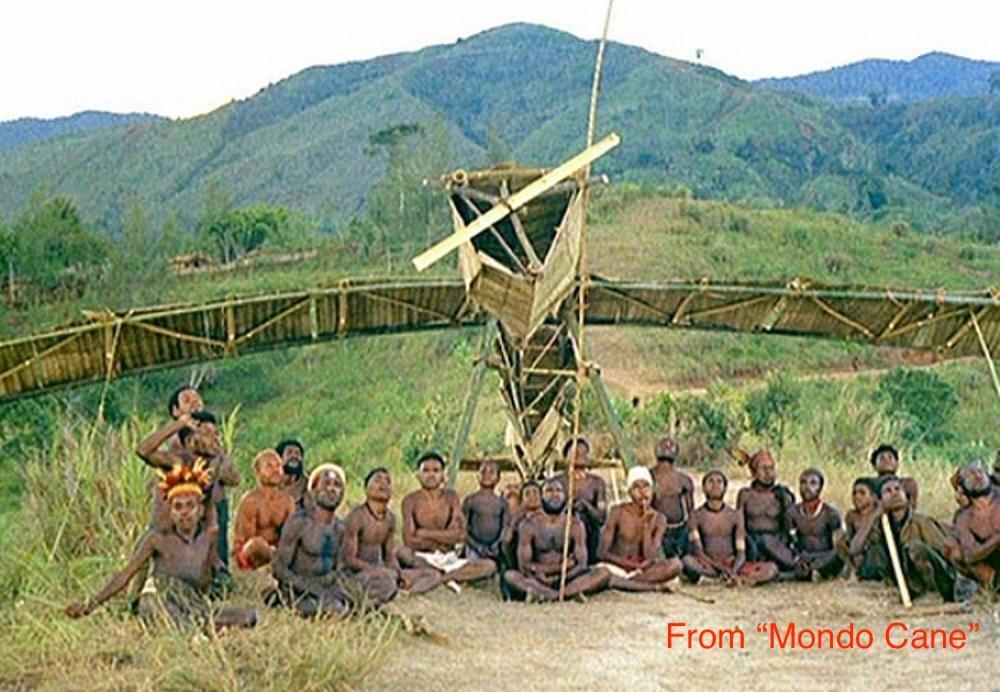
Still from the 1962 film Mondo Cane, via Ken Shirriff’s research note.
The term first appeared in print in Norris Mervyn Bird’s 1945 Pacific Islands Monthly article, “Is There Danger of a Post-war Flare-up Among New Guinea Natives?”. It was then applied to a wide range of Melanesian movements.
The bamboo plane that most people associate with cargo cults came later and was popularised in part by the 1962 film Mondo Cane. The filmmakers paid local participants, which makes it hard to know whether the replica plane was an existing local practice or was built for the shoot. Ken Shirriff traces that uncertainty here.
The John Frum festival on Tanna is well documented. During the festival, locals raise the American flag and conduct military drills with wooden rifles. They have also built grass models of WWII airplanes and makeshift landing strips. The Vanuatu Tourism Office describes the festival here.